David Lipman probably experienced it twice at 15, after a motorcycle crash fractured his neck, and again in his 40s when a ruptured disc put him back at the same crossroads.

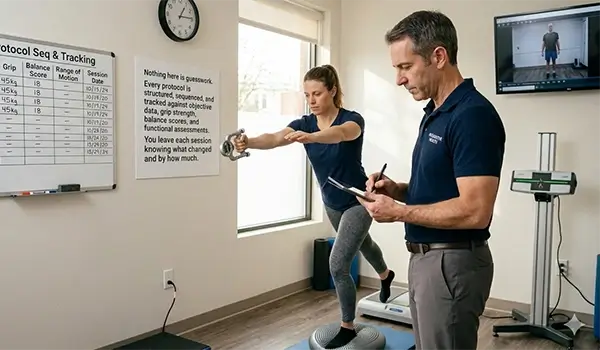
Before recommending anything, David Lipman looks at how the whole system is functioning together.

We create a custom plan tailored to your specific needs. Depending on your goals.

Every few sessions, we retest the same metrics from the initial assessment. This gives you actual numbers not just a sense of how you feel that show what's shifted and what still needs work.

The end goal is getting someone to a place where they're not managing a problem but maintaining a level of function they're happy with.
FTC/FDA Note: If the video includes any outcome claims, add the on-screen disclaimer: “Individual results vary. This video is for educational purposes only and is not intended to diagnose, treat, cure, or prevent any disease or health condition.”
No, and that’s by design. Insurance reimbursement is structured around reactive care, treating symptoms after they develop. The work we do here is proactive, systemic, and not covered by standard plans because it doesn’t fit neatly into billing codes.
We advocate for true health care over “sick care” by being honest about the limitations of insurance and the necessity of investing in one’s own physical maintenance.
Every dollar spent here goes directly toward advertising what’s actually happening, not toward what an insurance company will approve.
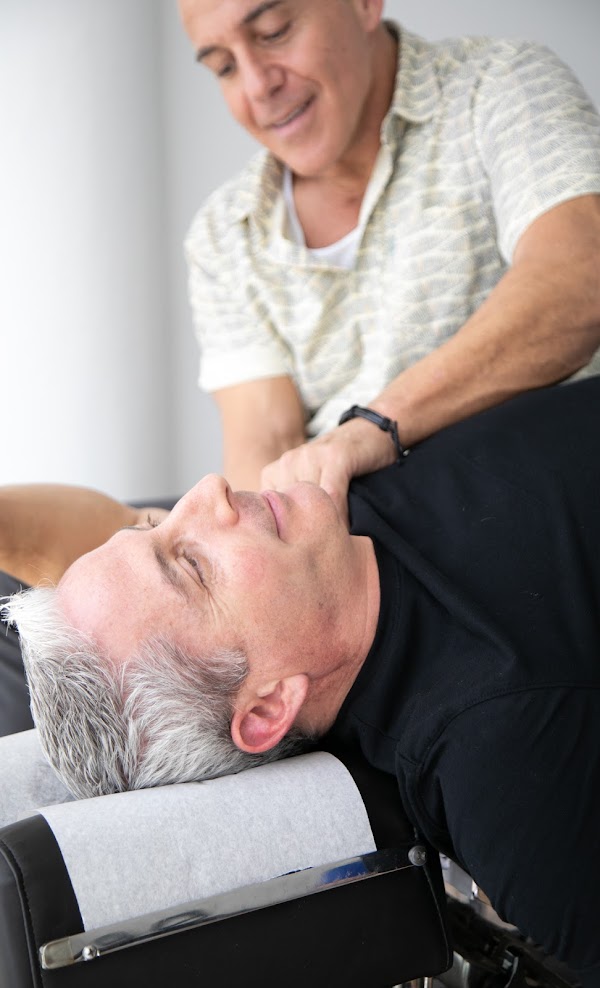
Most chiropractic care focuses on the spine. David Lipman’s approach covers the entire neuromusculoskeletal system, the full network of nerves, muscles, and structural components that work together to produce movement, absorb force, and support function. The difference in practice is significant. Pain that originates in the hip gets addressed at the hip, not compensated for at the spine.
That depends entirely on what the initial assessment finds and what your goals are. Some people come in with a specific, contained issue and see meaningful change in six to eight sessions. Others are looking at a longer-term protocol that includes monthly maintenance. We don’t give a standard answer because there isn’t one, every situation is different, and we’ll be honest with you about what your specific picture looks like after the first visit.
It’s a 40-minute sequence of three therapies done in a specific order. First, a low-level electromagnetic field session that research suggests may support circulation and cellular function. Then, a period of breathing concentrated oxygen during light movement, which some studies suggest may support oxygenation and cardiovascular function. Then, a session in our full-body red light pod, where specific wavelengths of light may support cellular energy and tissue recovery. The sequence matters. Each step is designed to build on the one before it. Individual results vary.
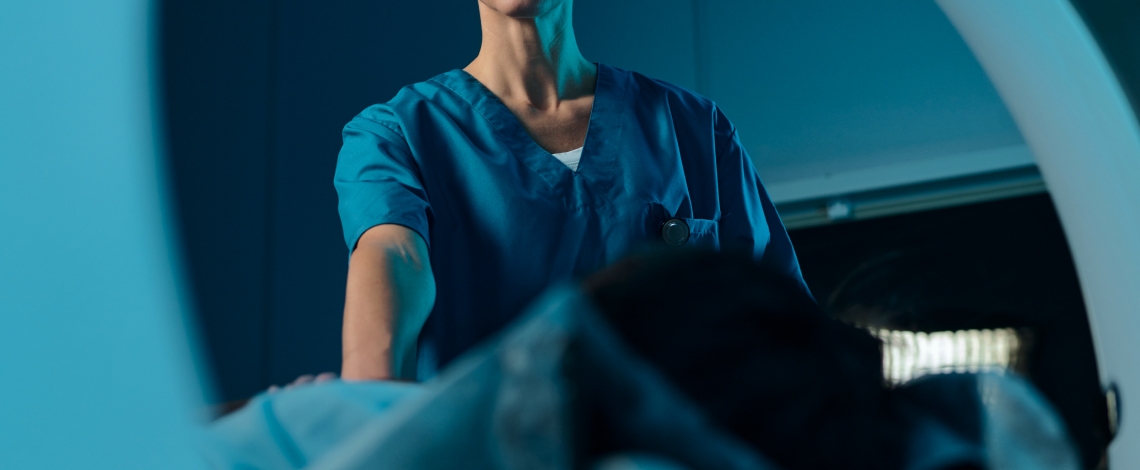
Yes. Through our partnership with the 22 Project, Physical Evidence has a specific program for veterans dealing with performance and cognitive recovery and related neurological effects. This involves objective functional assessments, including balance and cognitive testing, followed by a structured protocol tailored to each individual’s situation. If you’re a veteran who has been told “nothing is wrong” on standard imaging but continues to experience symptoms, the functional assessment is often where answers start to appear. Individual results vary.
See South Florida’s advanced biohacking center. Get a full facility tour + your first Red Light Therapy session.
Includes: Theralight 360 Session + Clinic Tour + Quick Orientation